
Thinking about getting a standing desk?
A Physical Therapist's Review
Check out this video (5:45) or else keep reading on for the blog post version!
Why the hype around standing?
Standing desks have gotten very popular in the past 5 years. With many people working from home and saving some money – it is very possible that work-from-homers are looking to elevate their home work setup.
Traditionally, people used to sit and work for 8 plus hours each day in addition to chilling out on their couch after work for another 2-3 hours (or for the rest of the evening). All this sitting contributes to a sedentary culture where people spend most of their waking hours in a seated or reclined position.
As a Physical Therapist, I have seen a lot of desk-jockeys, people who work the typical 9AM to 5PM with neck strains, back aches, even leg and foot numbness.
Health experts have all advised that everyone should not be sitting so long. In 2019 The American Heart Association in an article even dubbed “Sitting the New Smoking.”
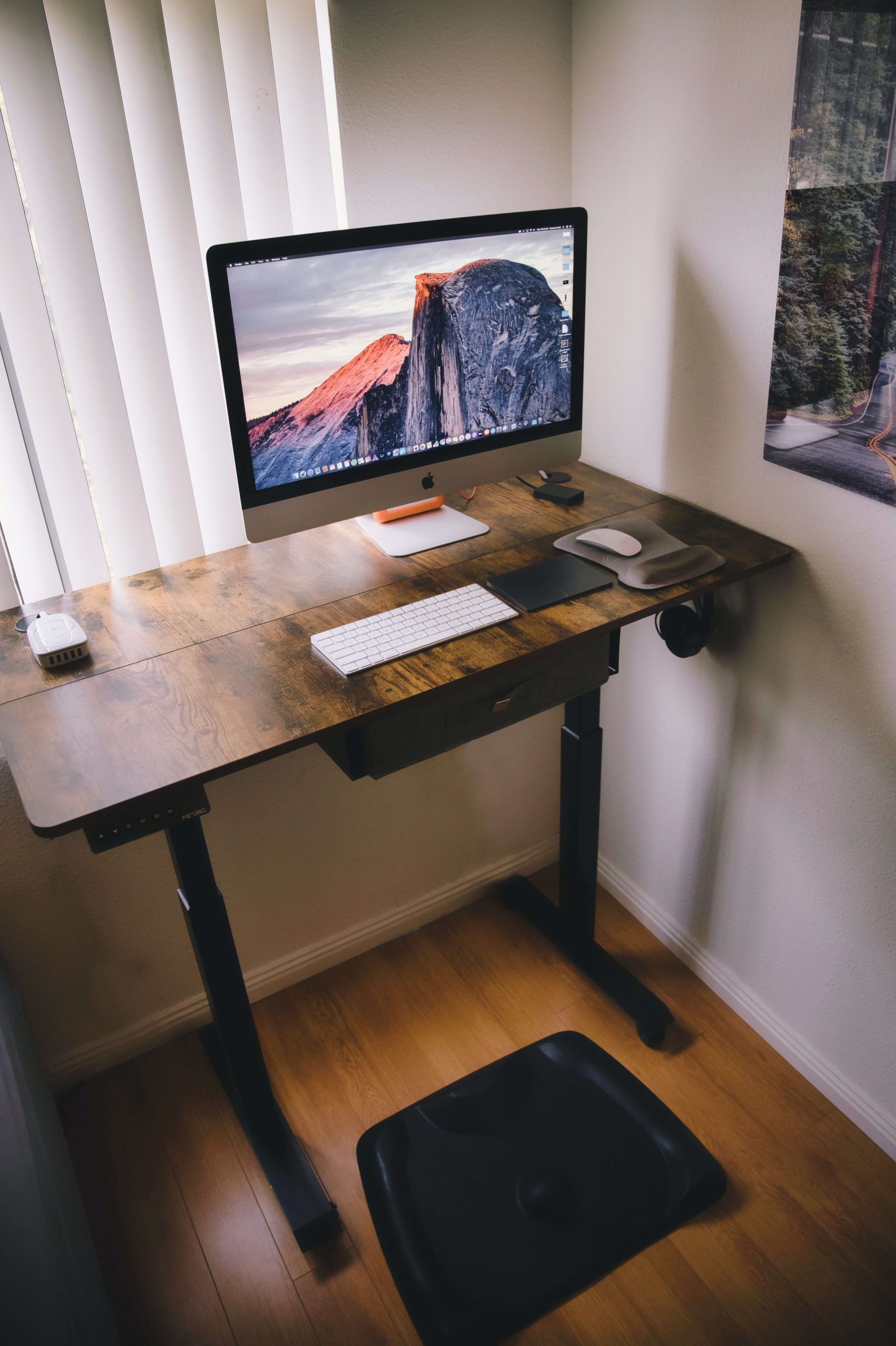
Benefits of a standing Desk
The standing desk gives people the ability to minimize some of the physical toll that sitting for long hours can cause. It may also mitigate the development of sciatica which is when nerves in the back of the thigh are compressed when sitting for long periods.
Some research has shown that using a standing desk can also help to burn more calories which can help with weight loss – although we’ll go over exactly how much expected energy expenditure this will generate for those looking to manage their weight.
I joined in on this trend and bought the Autonomous AI SmartDesk 2 and have had it for 6+ months.
Is it a good idea to get a standing desk? A Physical Therapist’s perspective.
Now the thought of the standing desk was very appealing – I became a guinea pig for my own case study and got an Autonomous AI SmartDesk 2. After six months of use, I want to share with you my experience and some insight.
When first starting to use the standing desk, I felt that it is difficult to stand still for more than 30-45 minutes at a time. I work in the Physical Therapy setting where I am on my feet all day. The difference though, is that I’m not standing still during those hours – I’m moving around a lot for patient treatment, performing Manual Therapy techniques and showing clients how to exercise.
Using a standing desk is not as easy as it looks
I noticed that with the standing desk I was fidgeting a lot and it actually made my back and my arches sore in the beginning with standing just for 30 minutes. I think part of this is normal given that most people don’t stand still unless you work in a lobby of a hotel or as a doorman and security guard. The body wants to take the path of least resistance which forces the spine into lumbar extension and locks the knees
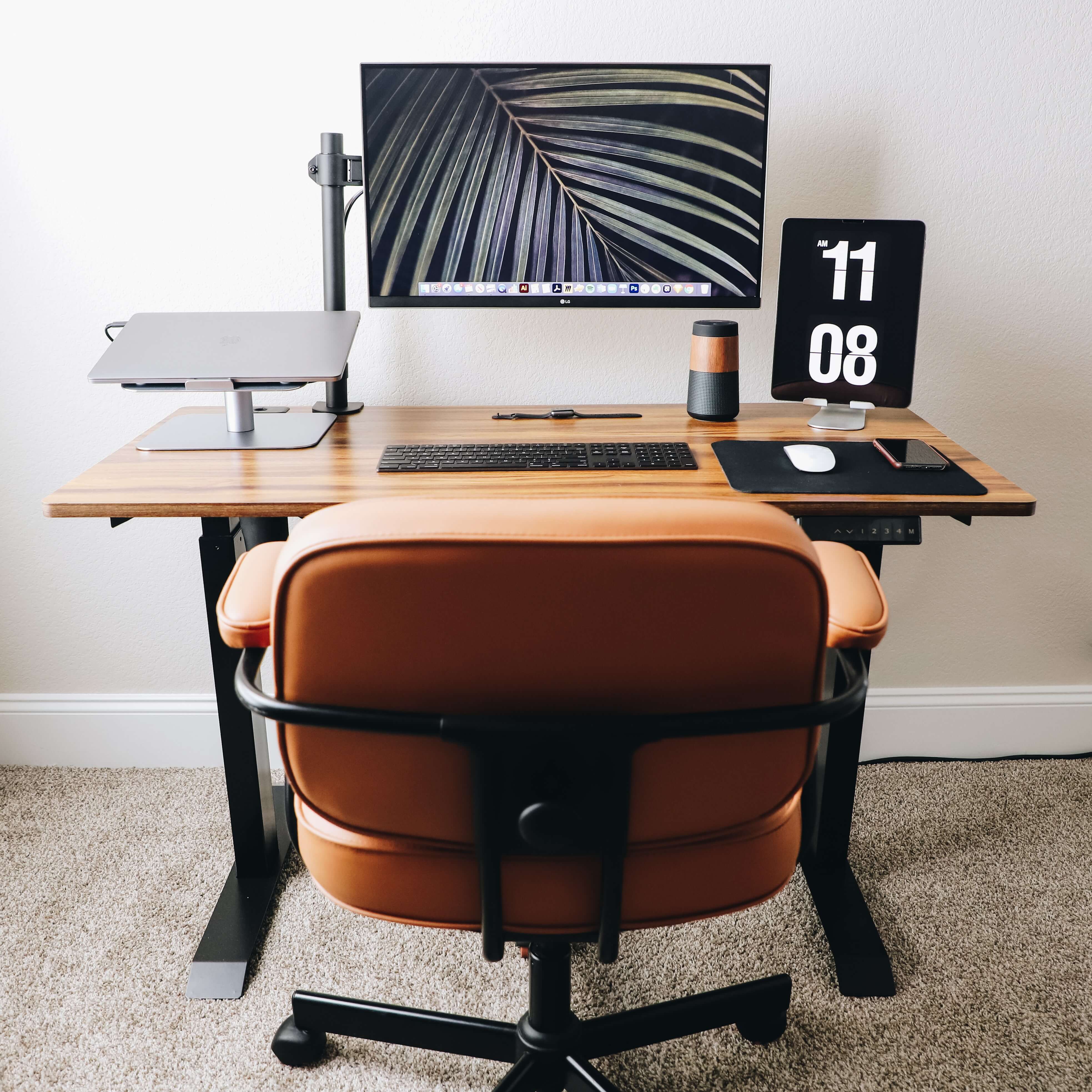
A standing desk may do more harm than good when used improperly
Based on my profession, I’m that people may be forcing themselves to stand for much longer than their bodies can tolerate.
One danger that I see here is that people will use the desk and leave the abdominals unengaged which can exacerbate lumbar lordosis (the occurrence when lumbar spinal segments are compressed).
Another potential issue is that people standing for long periods will go into knee hyperextension which can cause knee joint instability over the long term.
Will standing burn more calories than sitting?
Now let’s address the calorie burn. Surely standing will net more calories burned than sitting? The results surprised me based on a study in 2016, the calories burned while standing versus sitting is actually not that different.
People who sat and watched TV on average will burn 80 calories/hour.
People who stood and watched TV will burn 88 calories per hour.
So if you were to stand for 8 hours a day through your entire workday, you’d burn around 65 extra calories which is not that much given how much effort you have to put in.
The same study also tested Walking at a normal pace burned 210 calories per hour – so even if you walked 20 minutes a day for exercise, you would beat the calorie burn difference between walking and sitting.
One option for standing desk users would be to use an under the desk treadmill to burn some extra calories and also to minimize on some of the fatigue that standing still can cause.
Should I get a standing desk?
If you have a back pain problem that limits you from sitting for long periods, I think a standing desk is appropriate. My Physical Therapy rule of thumb is that people should limit themselves from positions that exacerbate their problems. If sitting for long periods hurts your back, standing more may help to resolve spinal posture and muscle length imbalances.
If your goal is to lose weight, taking a walk for 30 minutes a day is more effective for burning calories than standing still all day. If you have some extra room in the budget you can also consider investing in an under the desk treadmill and get some steps in while you are at work.
a physical therapist's pointers
- Getting a standing desk can take some getting used to, you want to gently break in the habit. I recommend alternating between standing and sitting every 30-45 minutes
- Be aware of your posture. Engage the abdominals by drawing your belly button towards your spine and make sure your knees are unlocked and not getting into hyperextension.
- If you decide to get a standing desk, I recommend using one with programmable settings so as to be able to transition seamlessly between standing and sitting.
If you are interested in trying one out, Autonomous AI has a 30-day return policy to know whether or not this is for you. Their desks have a sturdy build quality and are stylish enough to fit into any work setting! Visit Autonomous AI and enter code R-5657ac for a discount on your purchase.
Now if you happen to be suffering from a pain problem related to working for long hours, I’m excited to share with you a guide on how you can get quality Physical Therapy delivered straight to your door. You heard me right, the Physical Therapist comes to your door like Uber or Postmates! Check out this article on how to get this incredible service.