Disclaimer: This review is not sponsored by Factor, but it may contain affiliate links. The author may receive meal credits if readers choose to use their referral code. Referral to Rakuten may also yield a commission for those who sign up through the link at no additional cost to the reader. Referral to Amazon.com may yield a comission at no additional cost to the reader.
Calorie counting or calorie tracking can be a useful tool for managing weight and nutrition. Here are five tips to keep the process of calorie tracking fun and effective.
1. DO track your portions accurately
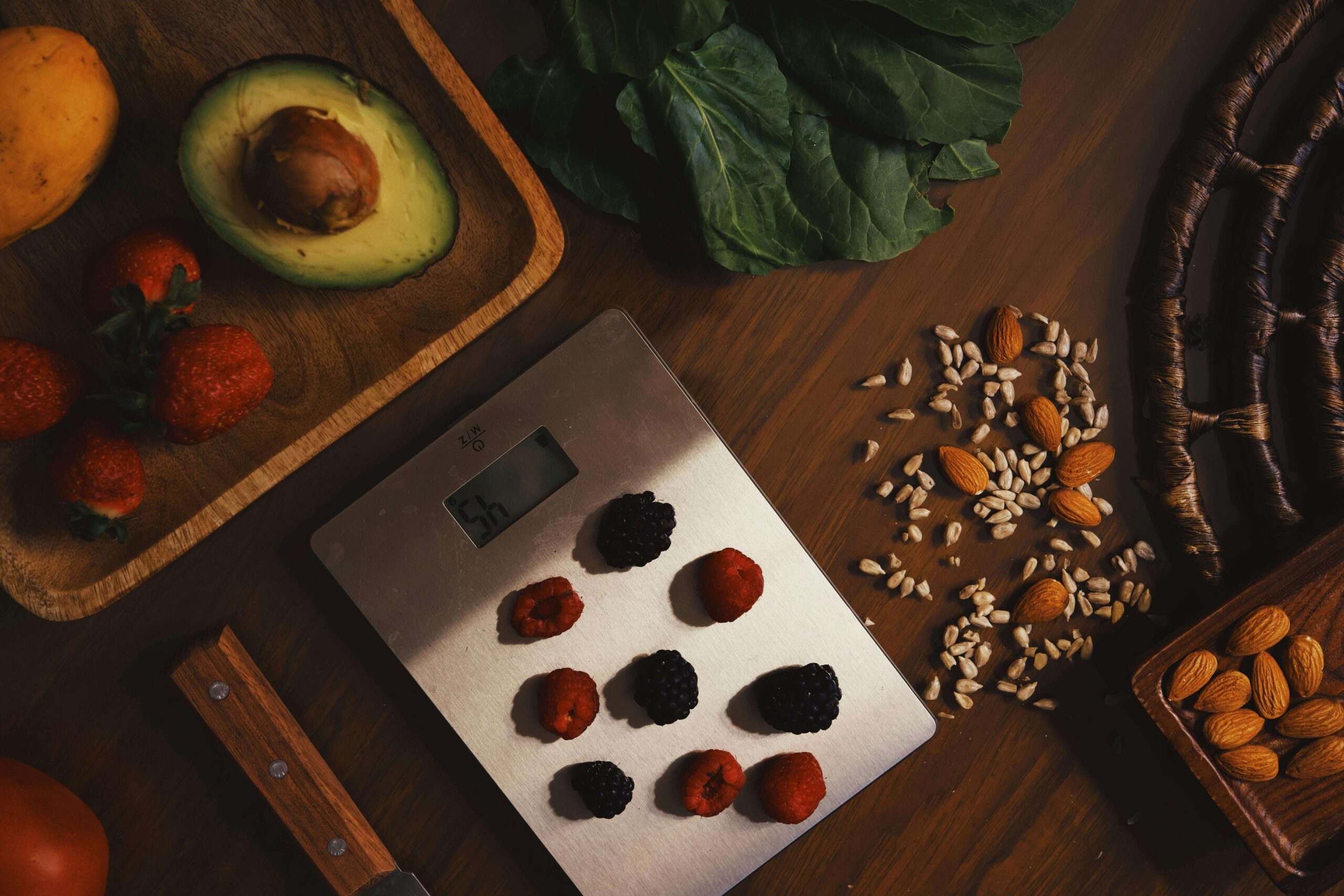
Use measuring cups, food scales, and nutrition labels to ensure you’re accurately recording the amount of food you consume. Eyeballing portions can lead to inaccuracies.
Amazon Basic Digital Scale [Click for affiliate link]
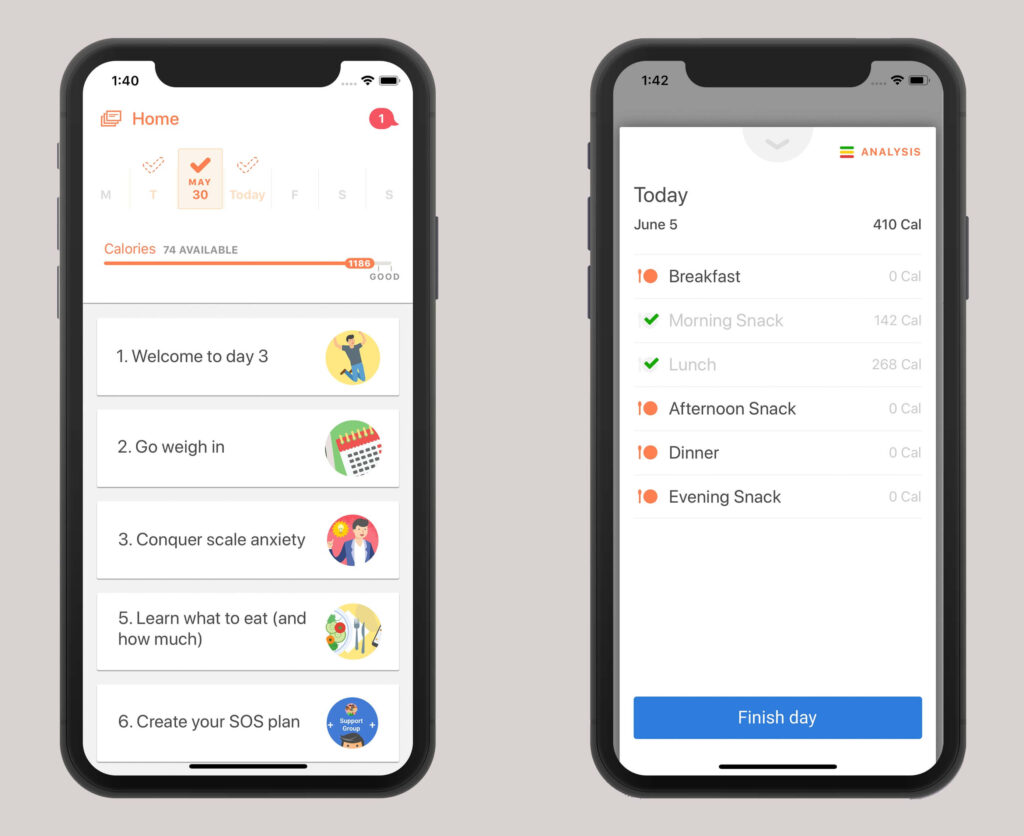
2.DO use a tracking app
Calorie counting is made much simpler and more feasible with an app such as Noom (I use this one personally and only the free version). Nutrition tracking apps have the ability to keep a daily diary of the foods that you ate.
It’s gotten only easier as these apps have the ability to scan barcodes and you don’t have to enter in the foods manually.
3. DO focus on whole, nutrient-dense foods
Prioritize consuming foods that are rich in nutrients like fruits, vegetables, proteins, and whole grains. These foods not only provide essential vitamins and minerals but also help you feel fuller for longer.
Whole foods are minimally processed or refined and typically contain fewer additives compared to processed foods. Here are some examples of whole foods:
Fruits: Apples, bananas, oranges, berries, grapes, mangoes, etc.
Vegetables: Spinach, kale, broccoli, carrots, bell peppers, tomatoes, etc.
Whole grains: Brown rice, quinoa, oats, barley, bulgur, whole wheat bread, etc.
Legumes: Lentils, chickpeas, black beans, kidney beans, peas, etc.
Nuts and seeds: Almonds, walnuts, peanuts, chia seeds, flaxseeds, pumpkin seeds, etc.
Proteins: Chicken breast, turkey, tofu, tempeh, fish (salmon, trout, tuna), lean cuts of beef or pork may be advisable on a calorie deficits diet.
Dairy: Plain Greek yogurt, cottage cheese, milk, cheese, etc. (choose options with minimal added sugars and processing)
Eggs: Whole eggs, rich in nutrients like protein, vitamins, and minerals.
Herbs, spices, and seasonings: Garlic, ginger, turmeric, cinnamon, basil, oregano, etc.
Incorporating a variety of these whole foods into your diet can provide essential nutrients while supporting overall health and well-being.
4. DO be consistent
Consistency is key when it comes to calorie counting. Try to track your intake consistently every day, as this will help you develop a better understanding of your eating habits and make adjustments as needed.
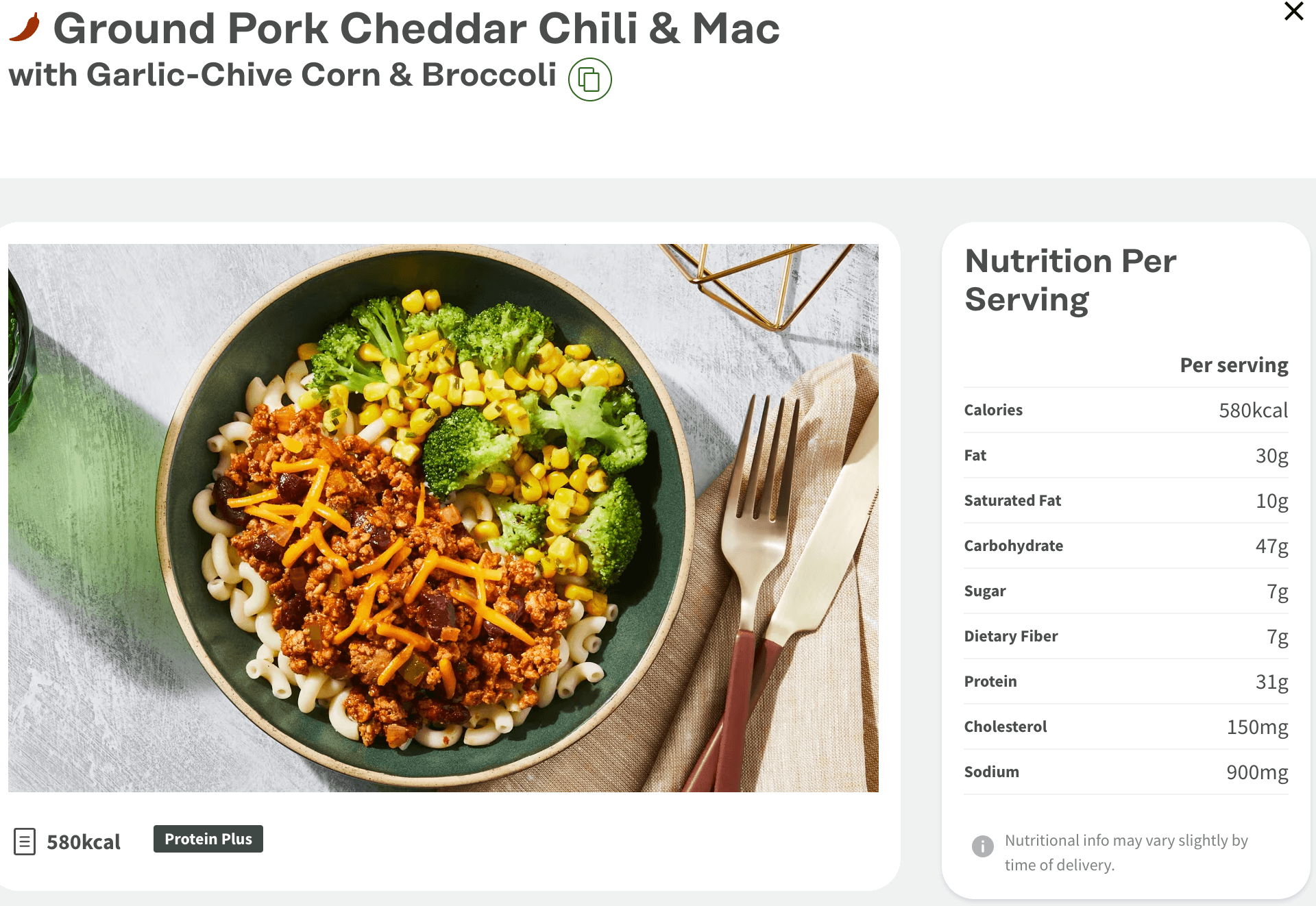
One of the ways that my wife and I have been able to check the boxes above is to utilize a prepared meals service.In another blog post, I’ve outlined how these portion-controlled, tasty and easy meals that take 2.5 minutes in the microwave.Better yet, these meals help save significant time and money on both planning, cooking, and dishes that otherwise make calorie portioning a headache.
I’ve outlined methods that make it possible for your first order to be less than $2.00 per meal (each meal contains an average of 600 calories with filling protein source and relatively fresh ingredients). This is made possible by Rakuten, an online extension that allows discounts to incentive first time subscribers.
5.DO allow a little flexibility
Be mindful of how calorie counting affects your relationship with food. Avoid feelings of guilt or shame associated with certain foods, and instead strive for a balanced approach to eating that includes enjoyment and moderation.In fact, calorie counting is the one nutrition plan that does not eliminate a food or food groups.
While potatoes chips and ice cream should only remain a small part of diet, as long as it is within your calorie budget you can continue to regulate your goal weight while consuming a small portion of these.Satisfying occasional cravings with the foods that you love can keep your motivation levels up to be consistent long term.Some people have a “cheat day” where once a week they allow some of the less healthy foods to be part of their calorie plan while the other six days of the week are more relatively focused on nutrient-dense foods.
By following these do’s and don’ts, you can make calorie counting a helpful tool in achieving your health and wellness goals without becoming overly restrictive or obsessive.Factor meal prep service has made the process relatively easy and may be a cost-effective tool that many can employ.